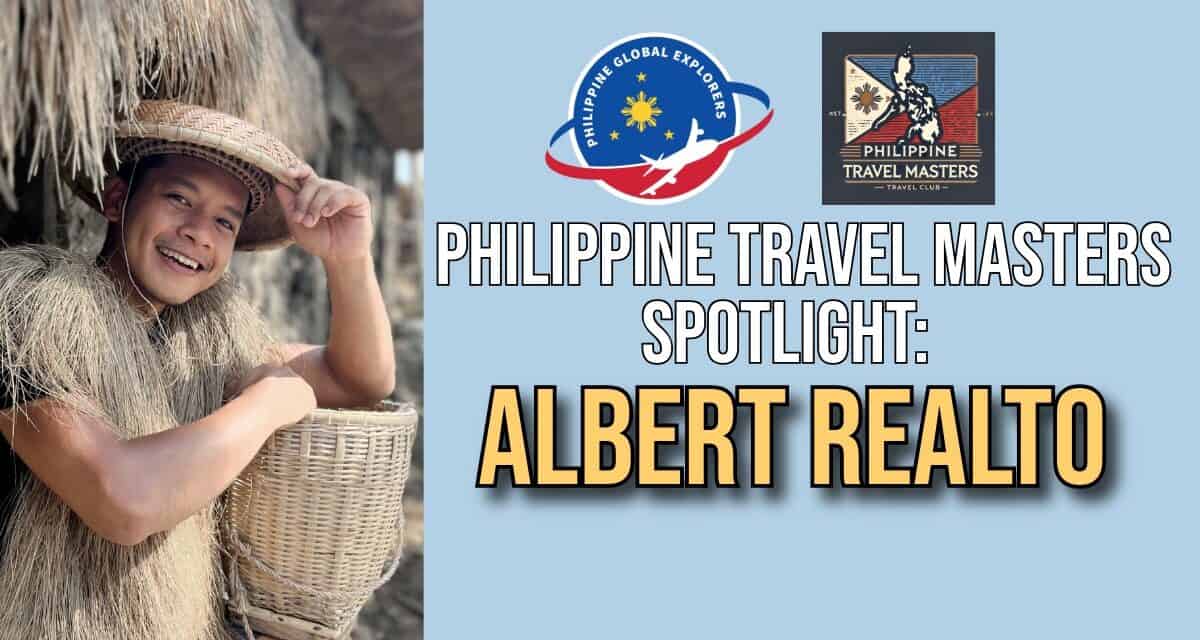
In a community that values depth of experience over distance alone, the Philippine Travel Masters Awards continues to recognise travellers whose journeys reflect purpose, courage, and cultural respect. Among those honoured is Allen Robert Nava, who goes by the name Albert Realto on social media, a traveller whose story mirrors the evolving spirit of Philippine exploration.
Presented by Philippine Global Explorers, the Philippine Travel Masters Awards were created to acknowledge Filipinos who have gone beyond conventional travel, choosing instead to understand the country in its full geographic, cultural, and human complexity. As part of the second edition of the awards, this feature highlights one such journey that quietly reshaped how domestic travel is perceived.
A Journey Rooted in Curiosity and Courage
Now 36, Allen Robert Nava (Albert Realto) is a freelancer whose life philosophy revolves around freedom, movement, and calculated risk. He describes himself as a “protean polyglot,” constantly evolving, building, and sometimes jeopardising his own future in pursuit of experience rather than certainty.
Travel was present early in his life, though initially confined to familiar northern and southern provinces such as Baguio, Pangasinan, Batangas, Cavinti, and Laguna. Interestingly, his first flight was not domestic but international to Thailand in 2009, followed two years later by his first local flight to Palawan, often called the country’s Last Frontier. It was only in January 2012 that the idea of completing all Philippine provinces became a conscious pursuit.
At the time, the challenge was known as Project PH81, reflecting the number of provinces then (It’s currently 82 provinces now). What began as curiosity soon became intention, culminating in what he calls his “PHinale” upon arriving in Marinduque, the Heart of the Philippines. By 18 June 2016, he formally claimed his place among those who had completed the full provincial journey.
Challenging Perceptions, Especially in Mindanao
The turning point that pushed Albert deeper into this path came during his time working with the Manila North Tollways Corporation. In early 2012, he joined an eight-day journey across Northern Luzon alongside seasoned bloggers. It was during this trip that he first learned about Project PH81 and, more importantly, the gaps in perception surrounding domestic travel.
Mindanao, in particular, stood out. Frequently portrayed as unsafe, it became a personal mission for him to experience it firsthand and share a different narrative. He has often remarked that there were moments when he felt less safe in Manila than in parts of Mindanao, a statement grounded not in bravado, but lived experience.
A Defining Moment in Sulu
Among his many journeys, one experience remains etched in memory: visiting Sulu during the period when travel to parts of BARMM was still considered high risk. With limited tourism infrastructure, no official documentation, and little local government support, the journey required trust, cultural awareness, and restraint.
Travelling with a small group that included a local from Jolo, Albert arrived during Eid’l Fitr, hoping the sacred celebration would offer calm. What greeted them was not danger, but a deeply human moment—traditional prayers echoing at sunrise, superstitions misunderstood by outsiders, generous home-cooked meals, and communities eager to welcome guests rather than repel them.
Even when news later surfaced of a bombing elsewhere in Jolo that same day, the experience underscored a powerful lesson: places are never defined by headlines alone. For Albert, this journey reinforced the importance of presence over prejudice, and listening over assumption.
No Single Favourite, Only Deeper Appreciation
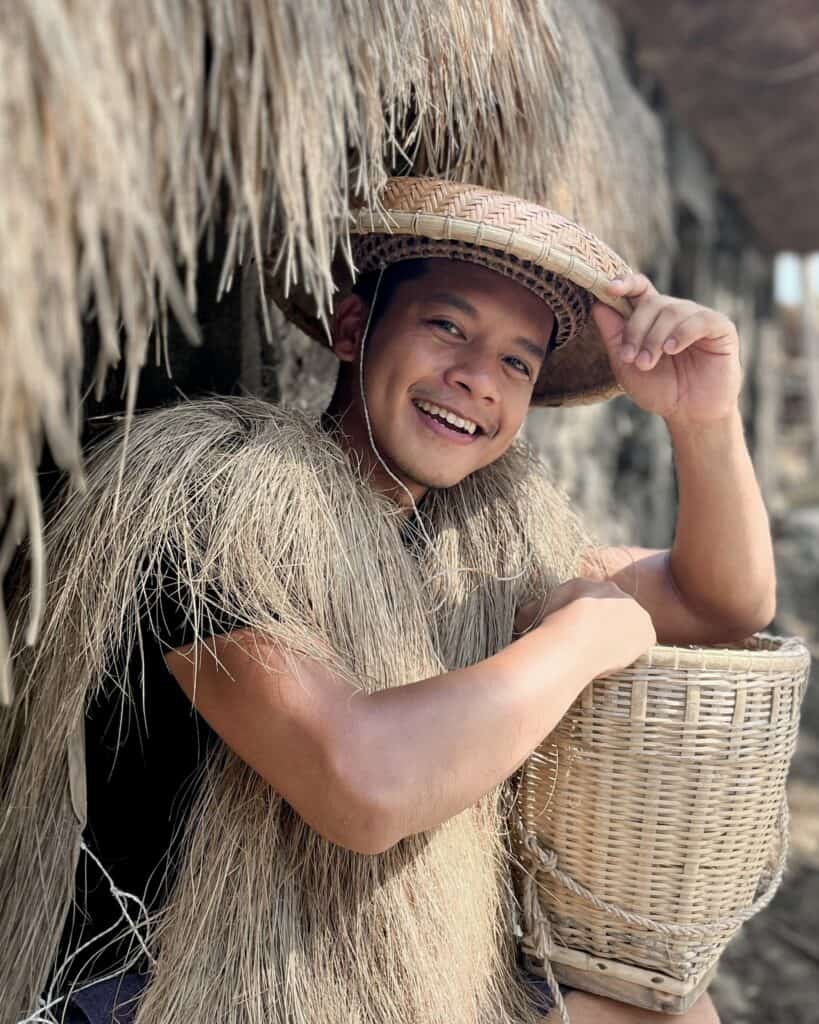
After travelling the Philippines extensively, choosing a single favourite province feels limiting. Instead, Albert speaks of places that shaped him in different ways:
- Batanes, for its quiet strength and landscapes shaped by wind and time
- Tawi-Tawi, which he considers his farthest home
- Negros Occidental and Cebu, for their vibrant festival cultures
- Palawan, for its enduring balance of land and sea
His recommendations vary depending on one’s sense of adventure—from watching sunsets on lesser-known boulder beaches to standing on the southernmost white sands of the country, or choosing between adrenaline-filled experiences like ziplining in South Cotabato and the Plunge in Bohol.
Travel as Responsibility, Not Achievement
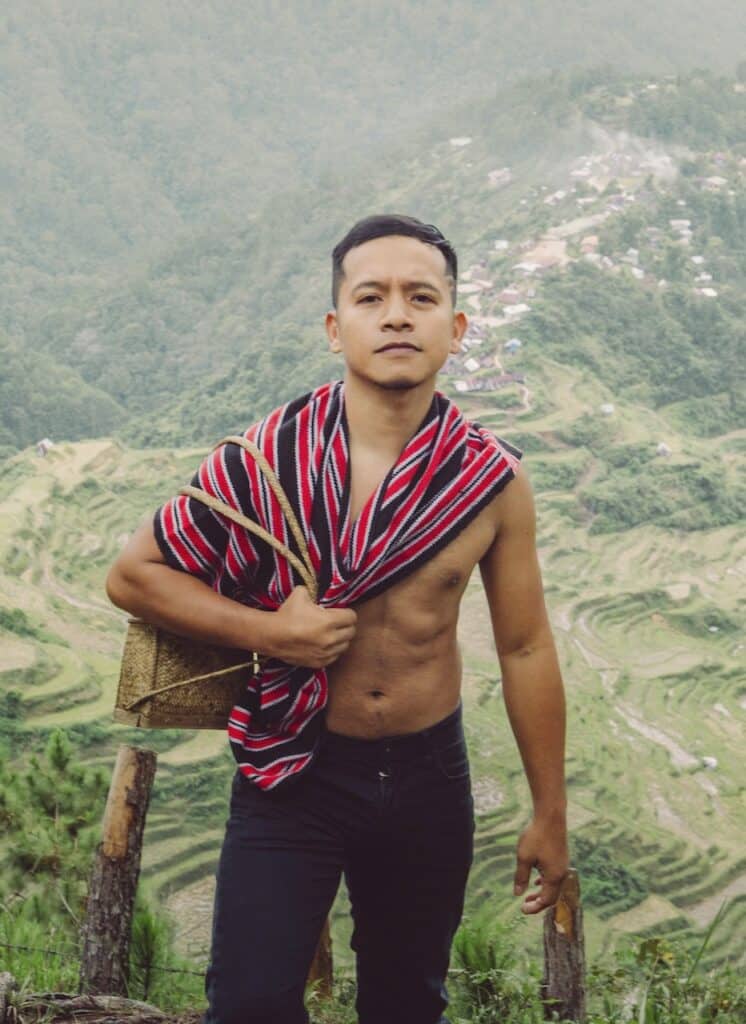
When asked what advice he would give to those hoping to visit all Philippine provinces, Albert draws a clear distinction between being a traveller and being a tourist. For him, the journey is not about completion or recognition, but responsibility.
He emphasises respect, cultural sensitivity, and the role travellers play as living witnesses to the country’s diversity. Preservation, not prestige, is the deeper purpose. Travel, when done thoughtfully, becomes an act of stewardship rather than consumption.
A Living Reflection of the Philippine Travel Master Spirit
The Philippine Travel Masters Awards were established to honour exactly this kind of journey—one grounded in humility, awareness, and genuine connection. Albert’s story reflects the evolving face of Filipino travel: independent yet respectful, curious yet grounded, adventurous without losing sight of responsibility.
As the Philippine Travel Masters continues to highlight individuals who redefine what it means to explore one’s own country, stories like his remind us that the most meaningful journeys are not measured by distance, but by understanding.
Paradise, as Albert often reminds others, is not something to be feared nor imagined elsewhere. It is already here—waiting to be seen with open eyes and an open mind.
Albert Realto
FreelancerA protean polyglot whose life currently revolves around freedom and adventure, risking by building and jeopardizing his own future.