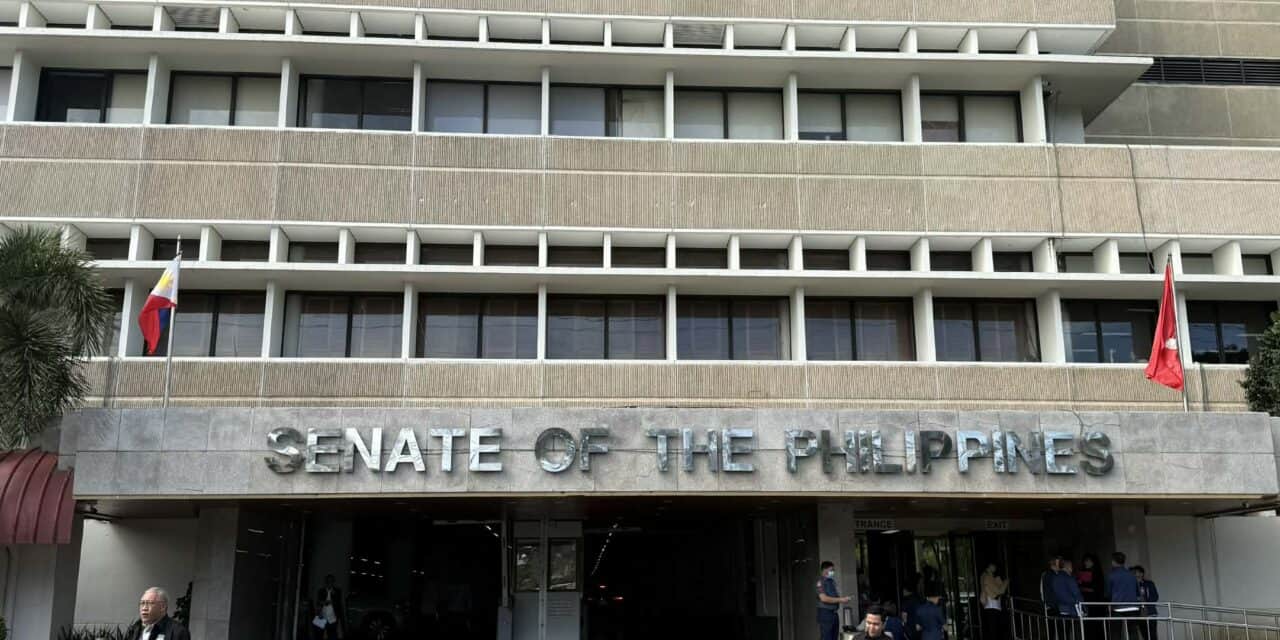
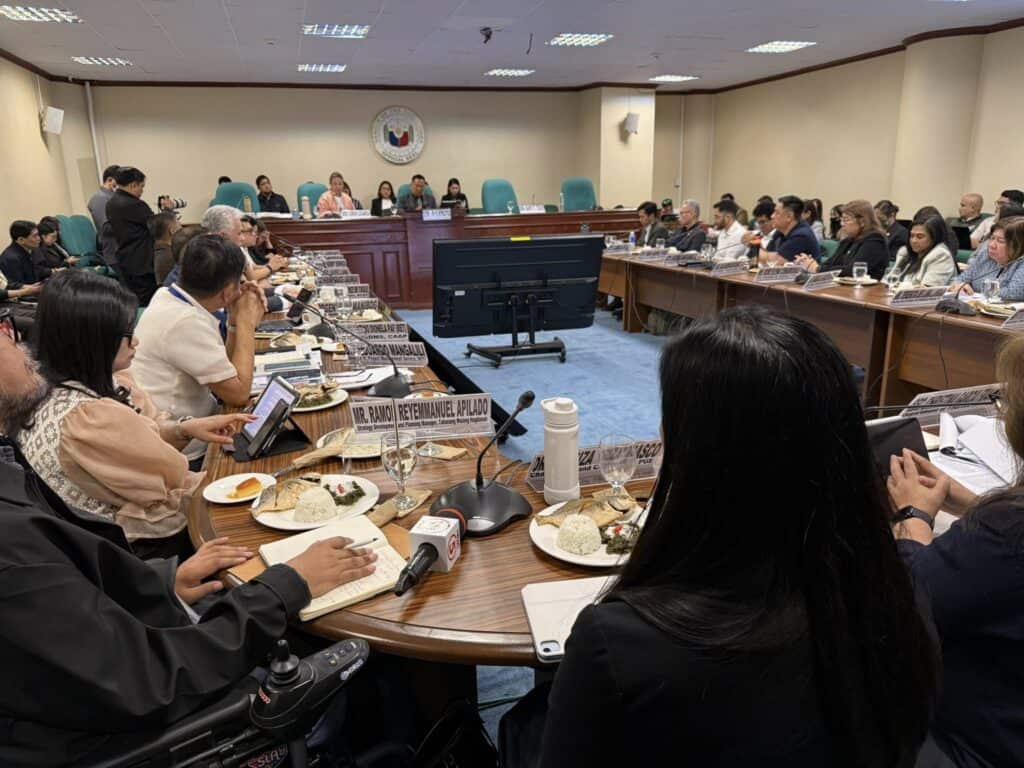
Philippine Global Explorers (PGE) marked a significant institutional milestone with its formal participation in a consultation hearing of the Philippine Senate, contributing directly to policy discussions shaping the future of Philippine tourism.
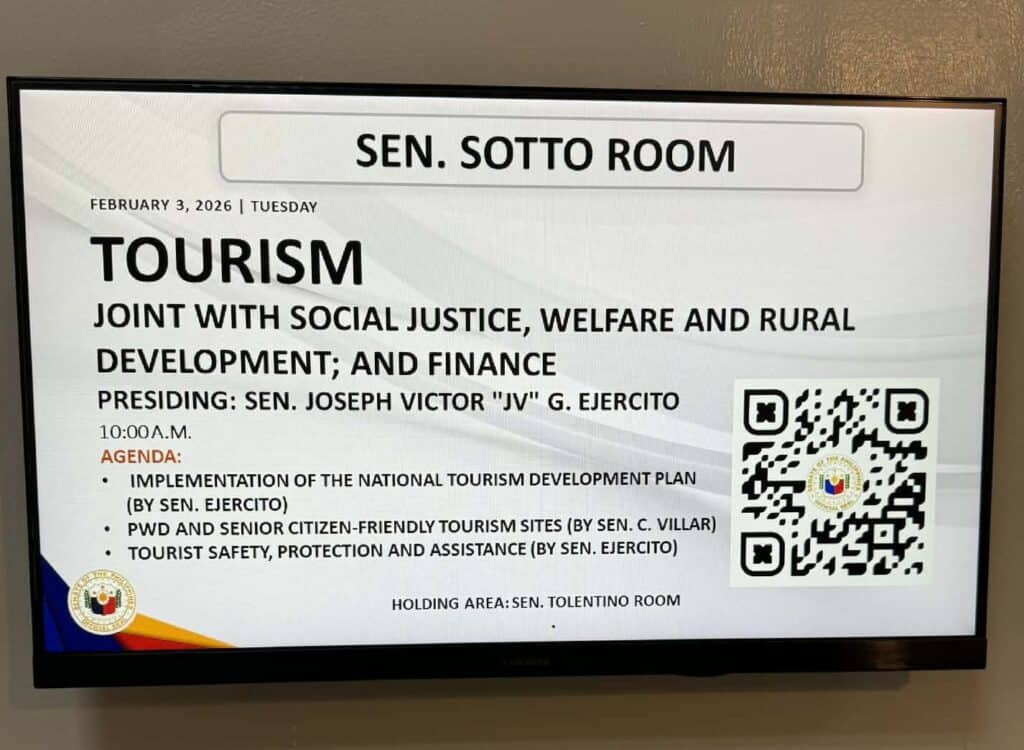
PGE was invited to submit a position paper and recommendations during the Senate Committee chaired by Senator JV Ejercito, and joined by Senator Loren Legarda – Leviste and Senator Raffy Tulfo on Tourism’s public hearing on the implementation of the National Tourism Development Plan (NTDP) 2023–2028, held in connection with Proposed Senate Resolution No. 257. The resolution seeks to assess the readiness of tourism infrastructure nationwide and its impact on domestic travel, with the inquiry intended to support future legislation.
The invitation followed a national interview published by the Philippine Daily Inquirer, where PGE Chairman and Co-Founder Dr. Riza Rasco shared observations on the structural challenges facing Philippine tourism, particularly the imbalance between destination promotion and on-the-ground readiness. That discussion helped bring traveler-led perspectives into the national policy conversation.
Representing a Crowdsourced Travel Community
Founded as a nonprofit, PGE is a global network of more than 1,600 highly traveled Filipinos who have collectively visited destinations across the Philippines and around the world. Its mission centers on mobilizing Filipino travelers as contributors to national development through education, community projects, heritage preservation, environmental protection, and responsible tourism.
In her submission to the Senate Committee on Tourism, Dr. Rasco emphasized that PGE functions as a crowdsourced feedback channel for the country—bringing together insights from travelers, content creators, educators, tourism operators, and community volunteers. This structure allows PGE to relay practical, experience-based observations on what enables or discourages travel within the Philippines.
The position paper formally expressed PGE’s support for Proposed Senate Resolution No. 257, underscoring that domestic tourism should be treated as a primary economic and cultural pillar, not as a secondary concern. The paper highlighted that local travel plays a key role in strengthening national identity, distributing economic activity to regions, and encouraging Filipinos to invest in their own country’s destinations
Read More: PGE’s Position Paper On Proposed Senate Resolution No. 257
Key Policy Contributions and Recommendations
PGE’s submission outlined several priority areas for action aligned with the NTDP’s goals on infrastructure, connectivity, digitalization, visitor experience, and governance. These recommendations were informed by collective traveler experience and international benchmarks.
Among the core proposals were:
- Seamless transport connectivity, particularly between airports, terminals, and city centers, to reduce friction for both domestic and international travelers.
- Upgrading tourism-ready infrastructure across regions, including roads, seaports, and regional gateways, to support equitable destination development.
- Provision of basic visitor facilities, such as clean public toilets, visitor centers, and clear signage at key sites, as foundational requirements rather than optional enhancements.
- A unified national tourism mobility and information hub, consolidating transport schedules, advisories, and verified guidance into a single, accessible digital platform.
- Policy inquiry into domestic airfare pricing, addressing transparency, competition, and affordability to ensure Filipinos can reasonably explore their own country.
- Fair and transparent pricing standards across tourism services, strengthening consumer confidence and trust.
- Protection of cultural identity and heritage, encouraging originality and authenticity rather than imitation of foreign destinations.
- Waste management and public cleanliness, positioned as governance indicators essential to sustainable tourism growth.
- Professional training for frontline tourism personnel, aligned with international service standards.
PGE also recommended that the Senate and relevant agencies consider formalizing the organization as a consultative partner, enabling structured traveler feedback, destination readiness monitoring, and collaborative policy support.
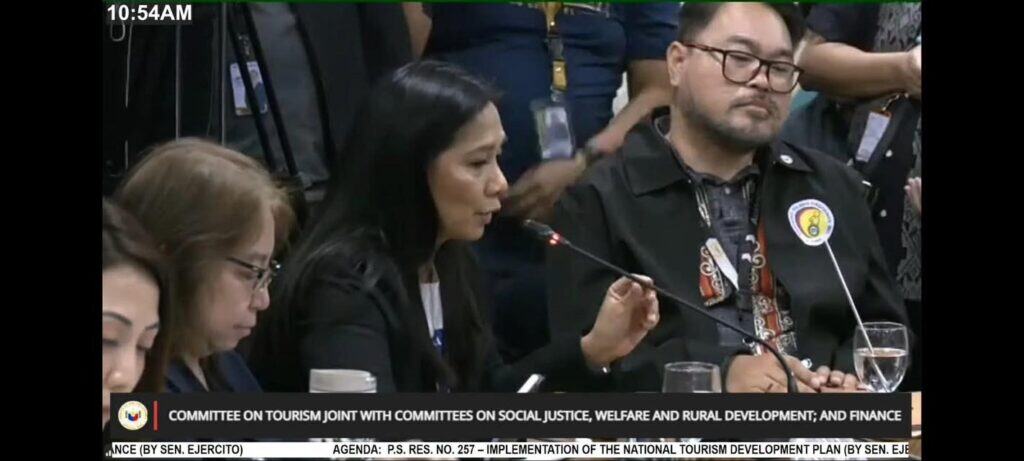
Notably, PGE’s contribution to the Senate hearing was shaped in part by direct community engagement. Insights gathered from members shared through online discussions shortly before the hearing were integrated into the position paper, demonstrating how citizen perspectives can be translated into timely policy input.
During the hearing, PGE underscored its readiness to serve as a continuing resource for government and tourism stakeholders. The organization positioned itself as a bridge between policymakers and the traveling public, offering grounded insights that reflect real conditions across destinations.
PGE’s participation in the Senate consultation reflects a broader evolution of the organization’s role—from a global travel community to an active contributor in national tourism governance. By engaging in legislative discourse, PGE reinforced its vision of tourism as a tool for inclusive development, cultural preservation, and community empowerment.
As discussions on the NTDP and related legislation continue, PGE has signaled its commitment to remain engaged, collaborative, and responsive. The organization views this milestone not as a conclusion, but as the beginning of deeper participation in shaping policies that affect Filipino travelers and local communities nationwide.
Through sustained dialogue with government and industry partners, PGE aims to help ensure that future tourism reforms are informed by lived experience, practical realities, and a shared aspiration for a tourism sector that serves both people and place.
READ MORE: PGE’s Mission & Vision